In Japanese culture, cleaning is more than just a chore—it's a mindful practice that brings harmony to your space and tranquility to your mind. Traditional Japanese cleaning techniques have been refined over centuries, focusing not just on removing dirt but on creating balance and respect for one's surroundings.
At CleanZen Japan, we incorporate these time-honored methods into our modern cleaning services. Today, we're sharing five powerful Japanese cleaning techniques that can transform your home into a spotless sanctuary.
1. The Art of "Oosouji" (Deep Cleaning)
In Japan, there's a tradition called "oosouji" (大掃除), which literally translates to "big cleaning." Traditionally performed at the end of the year, this is a thorough, methodical deep cleaning of the entire home to welcome the new year with a fresh start.
The key to effective oosouji is working systematically, room by room, top to bottom. This ensures that dust and dirt move downward, preventing you from re-cleaning areas. Start with ceiling corners and light fixtures, then move to shelves, furniture, and finally floors.
Modern application: While traditional oosouji is annual, we recommend adapting this to a quarterly deep cleaning schedule. This prevents the overwhelming accumulation of dust and grime, making each session more manageable.
Pro Tip
Create a detailed checklist for each room before starting your oosouji. This ensures you don't miss any spaces and gives you the satisfaction of marking tasks complete.
2. "Soji" – The Mindful Daily Clean
In Japanese schools and many workplaces, there's a daily practice called "soji" (掃除) – a short cleaning period where everyone participates. This concept emphasizes that cleaning is everyone's responsibility and works best when done regularly and mindfully.
The soji approach focuses on quick, daily maintenance cleaning rather than occasional marathon sessions. Spend 10-15 minutes each day addressing different areas of your home – wiping counters, sweeping floors, or cleaning bathroom surfaces.
This practice not only maintains cleanliness but also teaches mindfulness. When cleaning, be fully present and focused on the task at hand, transforming it from a chore into a meditative practice.
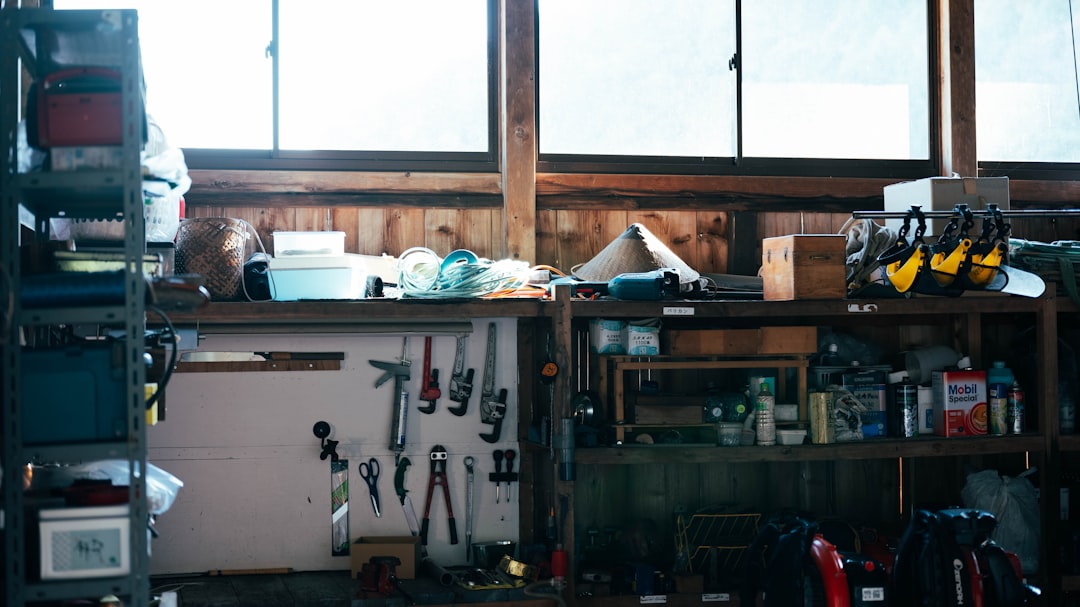
The daily soji practice brings mindfulness to cleaning tasks
3. "Tokusa" Cleaning Cloths
Japanese cleaning relies heavily on specialized tools, with the "tokusa" (木綿布) cleaning cloth being among the most important. These cloths, typically made of cotton or microfiber, are designed for specific purposes – some for dusting, others for polishing or wet cleaning.
What sets Japanese cleaning cloths apart is their precise folding technique. By folding the cloth properly, you create multiple clean surfaces to use as you clean, preventing cross-contamination between areas.
The traditional method involves folding the cloth into quarters, then using each surface methodically before switching to a clean section. This maximizes efficiency and hygiene during cleaning.
Pro Tip
Invest in high-quality microfiber cloths in different colors for different purposes. For example, blue for glass, yellow for dusting, and red for bathroom surfaces.
4. "Fukin" Approach to Kitchen Cleaning
The Japanese kitchen cloth, or "fukin" (布巾), embodies the philosophy that proper maintenance prevents major cleaning efforts. In Japanese kitchens, surfaces are wiped down immediately after use, preventing buildup and stains.
This approach emphasizes cleaning as you go, rather than leaving everything for later. After preparing food, wipe counters immediately. After cooking, clean the stovetop while it's still warm (but not hot). After meals, clean dishes right away rather than letting them sit.
The fukin approach also prioritizes proper tool care – kitchen cloths are washed daily, cutting boards are cleaned and dried thoroughly, and knives are washed and dried immediately after use to prevent damage.
The clean-as-you-go approach keeps kitchens spotless
5. "Genkan" Principle – Keeping Dirt Out
Perhaps the most fundamental Japanese cleaning principle is preventing dirt from entering the home in the first place. This is embodied in the "genkan" (玄関) – the traditional entryway where outdoor shoes are removed before entering the living space.
By creating a clear boundary between the outside world and your home's interior, you dramatically reduce the amount of dirt, dust, and allergens that enter your living space.
Modern application: Create a dedicated entryway area where shoes are removed. Provide slippers for indoor use and a shoe rack or cabinet to store outdoor footwear. Place a durable doormat outside for wiping shoes and another washable mat inside for any remaining debris.
Quote from the Future
"By 2025, studies showed that households practicing traditional Japanese entry protocols had up to 60% less dust and allergens in their home interiors compared to those without dedicated shoe removal areas." - Journal of Home Environmental Health, 2025
Conclusion: The Japanese Philosophy of Clean
What unites all these techniques is a fundamental perspective: cleaning is not just about removing dirt but about creating harmony in your environment. The Japanese approach views cleaning as a form of respect – for your home, your belongings, and ultimately yourself.
By incorporating these mindful techniques into your cleaning routine, you'll not only achieve a cleaner home but also experience the mental clarity and peace that comes from a well-ordered environment.
At CleanZen Japan, we combine these traditional approaches with modern cleaning technology to provide the most effective, mindful cleaning experience. Whether you're implementing these techniques yourself or looking for professional services that honor these principles, the result is the same – a home that feels truly clean in every sense of the word.
Experience Japanese Cleaning Excellence
Want to experience the difference Japanese cleaning methods can make in your home? Contact CleanZen Japan today for a consultation or cleaning service that combines these traditional techniques with modern efficiency.
Contact Us