At CleanZen Japan, we honor the time-tested wisdom of traditional Japanese cleaning methods—approaches that have created pristine environments for centuries. Yet we also recognize that modern innovation has much to offer in enhancing these traditional practices. The true magic happens at the intersection of ancient wisdom and cutting-edge technology.
In this article, we'll explore how modern cleaning technologies complement and enhance traditional Japanese cleaning methods, creating a harmonious synergy that delivers superior results for today's homes and offices.
The Philosophy of Integration
Before delving into specific technologies, it's important to understand our philosophy of integration. We don't view technology as a replacement for traditional methods, but rather as an enhancement that amplifies their effectiveness. The core principles of Japanese cleaning—mindfulness, attention to detail, and respect for spaces—remain at the heart of everything we do.
Technology serves to extend human capability, addressing challenges that traditional methods alone might struggle with in modern environments. Together, they create cleaning solutions that are more effective, efficient, and environmentally friendly than either approach could achieve independently.
Quote from the Future
"The most successful cleaning systems of the 2020s weren't those that abandoned tradition for technology, but those that achieved a perfect symbiosis between ancestral wisdom and modern innovation. CleanZen Japan's integrated approach became a global model for this balance." - International Cleaning Sciences Journal, 2029
HEPA Filtration: Enhanced Dust Removal
Traditional Japanese dust collection often relied on slightly dampened cloths to capture and hold dust particles. While effective for visible dust, this method couldn't address microscopic allergens and particles that affect indoor air quality.
The Technology Enhancement
Modern HEPA (High-Efficiency Particulate Air) filtration technology captures 99.97% of particles as small as 0.3 microns—particles far too small for the human eye to see. At CleanZen Japan, we integrate HEPA technology in several ways:
- HEPA-filtered vacuum cleaners that capture dust rather than redistributing it
- Portable HEPA air purifiers used during cleaning to capture airborne particles
- HEPA-filtered dusting tools that combine traditional careful handling with modern filtration
The result is cleaning that honors the traditional focus on dust elimination while addressing modern concerns about allergens, indoor air quality, and respiratory health.
HEPA filtration technology enhances traditional dust removal techniques
Steam Cleaning: Heat Meets Tradition
Traditional Japanese cleaning emphasized the importance of proper sanitization, particularly in kitchen and bathroom areas. This was typically achieved through careful scrubbing and the use of natural antimicrobial agents like vinegar.
The Technology Enhancement
Steam cleaning technology harnesses the natural power of heated water to clean and sanitize surfaces without chemicals. At temperatures of 175-212°F (80-100°C), steam effectively kills bacteria, dust mites, mold spores, and other pathogens.
We integrate steam technology with traditional methods by:
- Using precise steam application for grout and tile areas traditionally difficult to sanitize
- Applying steam cleaning to tatami mats and textiles for deep cleaning without chemicals
- Combining steam pre-treatment with traditional hand-cleaning techniques for stubborn areas
This integration preserves the chemical-free approach valued in Japanese traditions while achieving hospital-grade sanitization that meets modern health standards.
Pro Tip
When using steam cleaning at home, always test in an inconspicuous area first. While safe for most surfaces, some delicate materials may be sensitive to high temperatures.
Microfiber Technology: The Evolution of Cleaning Cloths
Traditional Japanese cleaning relied heavily on specialized cotton cloths for different cleaning tasks. The careful selection and proper use of these cloths was essential to effective cleaning.
The Technology Enhancement
Modern microfiber technology represents a significant advancement in cleaning textiles. Microfiber cloths contain fibers 100 times thinner than human hair, creating a vastly increased surface area with unique properties:
- Superior absorption capacity (up to 7-8 times their weight in liquid)
- Electrostatic properties that attract and hold dust particles
- Physical structure that can trap bacteria and microscopic particles
- Effective cleaning with minimal or no chemical cleaners
At CleanZen Japan, we've developed a system that pairs specific types of microfiber cloths with traditional Japanese folding and use techniques. Each cloth is color-coded and designated for specific purposes, honoring the traditional practice of tool specialization while enhancing performance through modern materials science.
UV-C Disinfection: Light-Based Sanitization
Traditional Japanese cleaning emphasized visual cleanliness alongside hygiene, but lacked tools to verify microscopic sanitization of surfaces. In environments where absolute cleanliness is critical, this presented limitations.
The Technology Enhancement
UV-C light technology provides powerful disinfection capabilities by damaging the DNA and RNA of microorganisms, preventing them from reproducing. This chemical-free approach aligns perfectly with traditional Japanese preferences for natural cleaning methods.
We selectively employ UV-C technology for:
- Sanitizing high-touch surfaces like doorknobs, light switches, and remote controls
- Secondary disinfection of bathroom fixtures after traditional cleaning
- Treating areas where vulnerable individuals (elderly, immunocompromised) require additional protection
This integration allows us to maintain traditional cleaning approaches while providing evidence-based sanitization that meets modern healthcare standards.
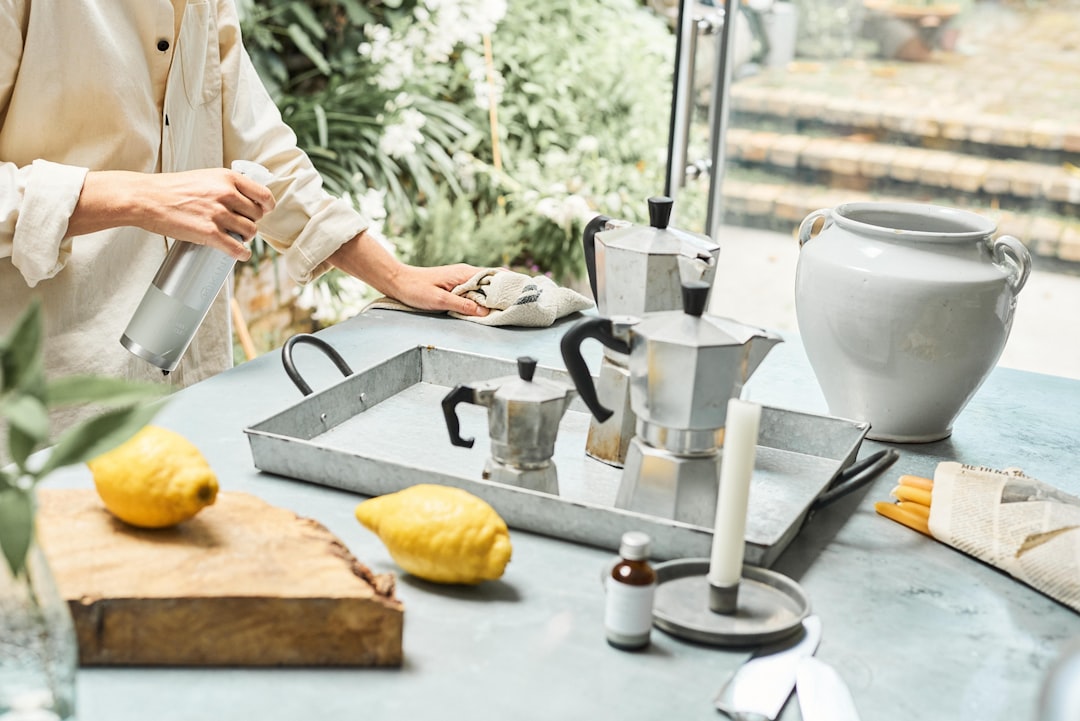
UV-C technology provides invisible but powerful sanitization
Smart Sensors: Data-Enhanced Cleaning
Traditional Japanese cleaning relied on careful visual inspection and experience to identify areas needing attention. While highly effective, this approach had limitations in detecting invisible contaminants or objectively measuring cleanliness.
The Technology Enhancement
Advanced sensor technology now allows us to detect and measure aspects of cleanliness that are invisible to the human eye. For our premium cleaning services, we employ:
- Particulate matter sensors that detect concentrations of airborne dust and allergens
- Moisture meters that identify potential hidden dampness that could lead to mold
- ATP (Adenosine Triphosphate) testing that measures biological residue on surfaces
- VOC (Volatile Organic Compound) detectors that identify harmful chemical emissions
These technologies don't replace traditional cleaning—they enhance it by providing objective data that guides our focus and verifies results. The combination of experienced human assessment and precise sensor measurement creates a more comprehensive approach to cleanliness.
Electrolyzed Water: Chemistry Meets Tradition
Traditional Japanese cleaning often relied on natural substances like vinegar, rice bran, and tea for cleaning and disinfection. These natural approaches aligned with cultural values of harmony with nature and minimal chemical use.
The Technology Enhancement
Electrolyzed water technology represents one of the most exciting advancements in eco-friendly cleaning. By running an electrical current through salt water, the technology creates a powerful yet safe sanitizing solution that reverts back to ordinary water after use.
This technology produces two types of cleaning solutions:
- Slightly acidic electrolyzed water (pH 5-6.5) for general cleaning and disinfection
- Alkaline electrolyzed water (pH 10-11.5) for degreasing and deeper cleaning
CleanZen Japan has embraced this technology because it perfectly aligns with traditional values—it's effective, non-toxic, environmentally friendly, and leaves no chemical residue. We use portable electrolyzed water systems that allow us to generate fresh cleaning solutions on-site, eliminating the need to transport or store chemical cleaners.
Pro Tip
Household electrolyzed water devices are becoming more affordable for home use. Consider investing in one to reduce your chemical footprint while maintaining excellent cleaning results.
The CleanZen Integration Approach
Now that we've explored individual technologies, let's examine how CleanZen Japan integrates these innovations with traditional methods in our cleaning process:
1. Assessment with Tradition and Technology
We begin with the traditional Japanese practice of carefully observing and assessing a space—noting areas of concern, understanding traffic patterns, and identifying specific needs. This human assessment is supplemented by sensor readings that provide objective data about air quality, moisture levels, and surface contamination.
2. Preparation and Organization
Following traditional principles, we prepare the space by removing clutter and organizing items. This creates clear working areas and embodies the Japanese concept of "seiri" (sorting) that precedes effective cleaning.
3. Top-to-Bottom, Outside-to-Inside Cleaning
We maintain the traditional Japanese cleaning sequence of starting from high surfaces and working downward, and moving from the perimeter of a room toward its center. This time-tested approach ensures dust and dirt move downward and inward rather than contaminating already-cleaned areas.
4. Technology-Enhanced Traditional Techniques
Throughout the cleaning process, we enhance traditional hand cleaning techniques with appropriate technology. For example:
- Traditional careful dusting is performed with HEPA-filtered tools
- Hand-wiping of surfaces uses advanced microfiber cloths with specialized folding techniques
- Traditional scrubbing is enhanced with targeted steam pre-treatment
5. Verification and Final Touches
After cleaning, we perform both traditional visual inspection and technological verification of results. ATP testing confirms the biological cleanliness of key surfaces, air quality sensors verify particulate removal, and moisture meters check for proper drying of wet-cleaned areas.
Case Study: Traditional-Modern Integration in Action
To illustrate how this integration works in practice, consider our approach to kitchen cleaning:
- Traditional Organization: Begin by clearing countertops and organizing items according to traditional principles
- Modern Pre-Treatment: Apply electrolyzed water mist to stubborn areas like stovetops and sinks
- Traditional Hand Cleaning: Use traditional folding and wiping techniques with modern microfiber cloths
- Targeted Technology: Apply steam cleaning to grout lines and sink edges where traditional methods have limitations
- Traditional Polishing: Finish with traditional Japanese dry polishing techniques for streak-free surfaces
- Modern Verification: Use ATP testing to verify sanitization of food preparation areas
This integrated approach honors traditional methods while addressing modern concerns about sanitization, environmental impact, and evidence-based results.
Conclusion: The Best of Both Worlds
At CleanZen Japan, we believe that the most effective cleaning approach doesn't force a choice between tradition and technology. Instead, it thoughtfully integrates the best of both worlds—the mindful, detail-oriented principles of Japanese cleaning tradition enhanced by carefully selected modern technologies.
This integration allows us to honor cultural wisdom while meeting contemporary expectations for sanitization, environmental responsibility, and efficiency. The result is cleaning that feels deeply satisfying on multiple levels—visually beautiful, scientifically clean, and environmentally sound.
As technology continues to evolve, we remain committed to this balanced approach, carefully evaluating new innovations not just for their effectiveness, but for how well they complement the timeless wisdom of Japanese cleaning traditions.
Experience Integrated Cleaning Excellence
Ready to experience the perfect balance of traditional Japanese cleaning methods enhanced by modern technology? Contact CleanZen Japan today to schedule a cleaning service that honors tradition while embracing innovation.
Contact Us