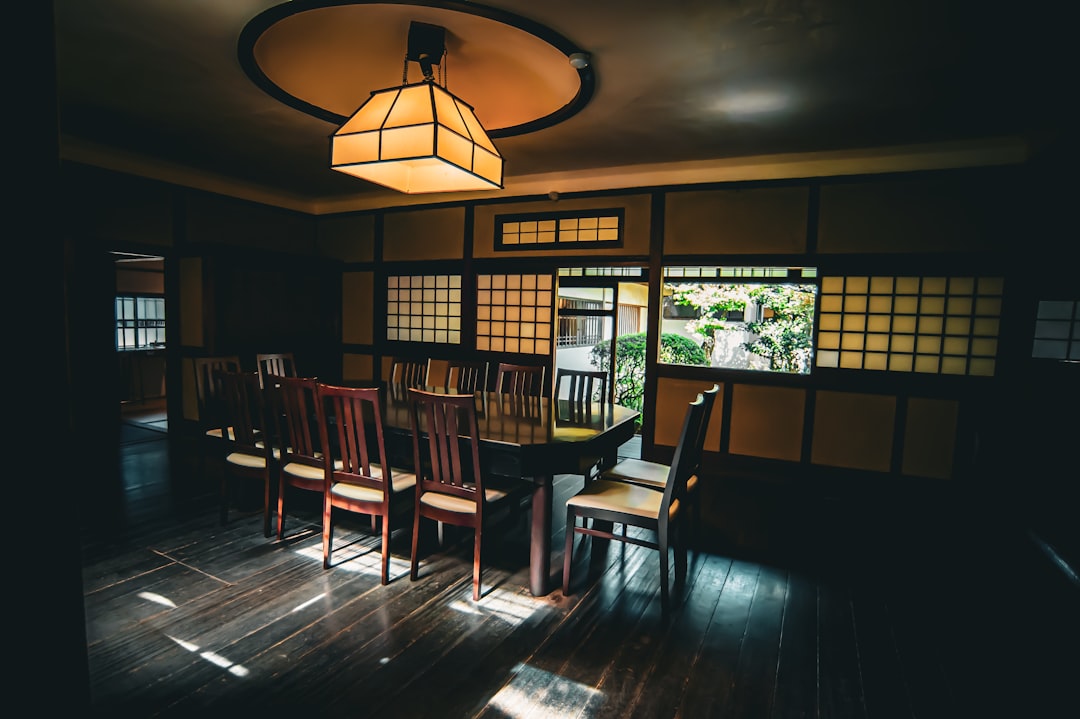
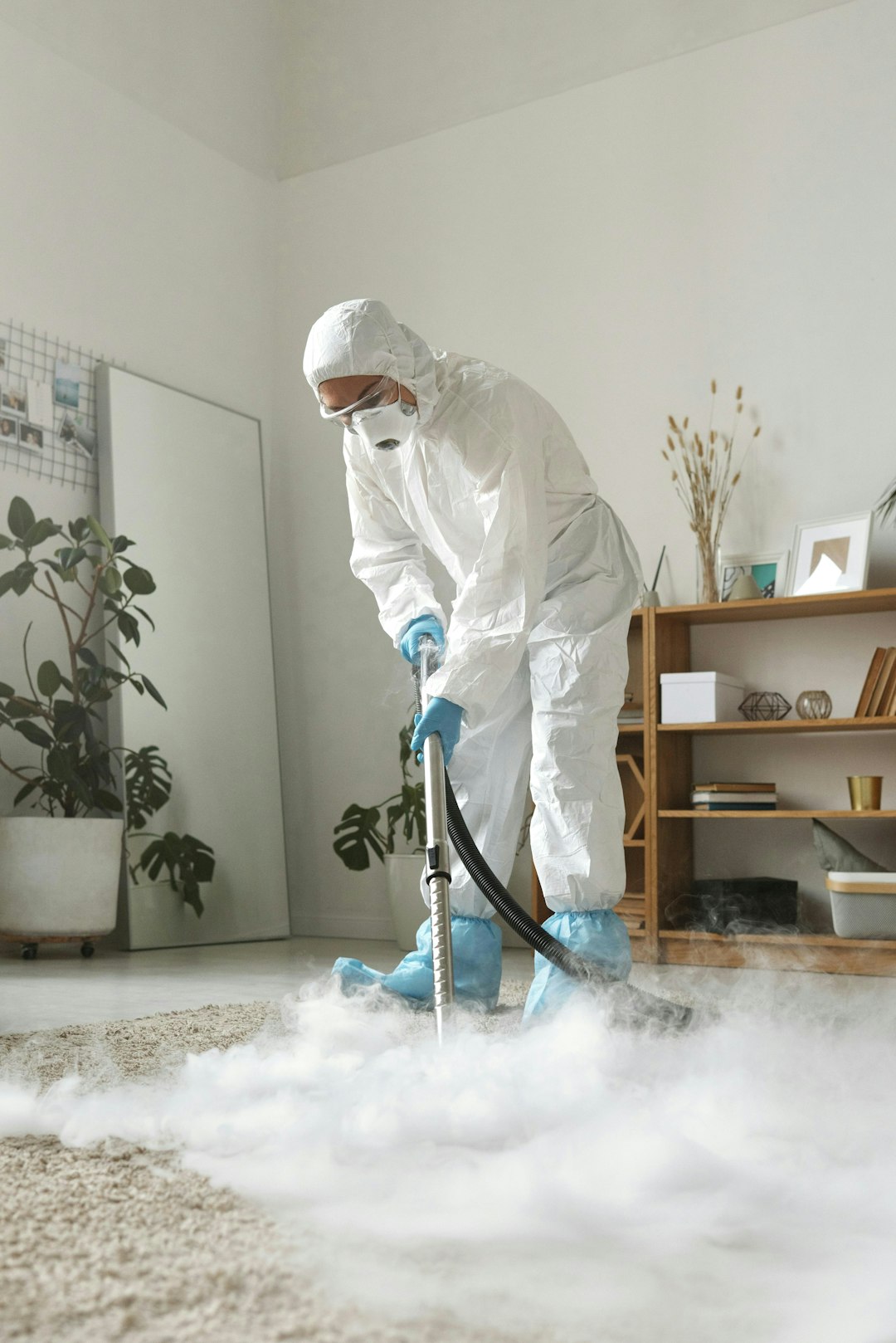
In Japan, the changing of seasons is deeply woven into the cultural fabric, influencing everything from food and fashion to art and architecture. This seasonal awareness extends naturally to home cleaning practices, where specific tasks are traditionally performed during particular times of the year.
Unlike the Western concept of "spring cleaning," Japanese households traditionally engage in seasonal cleaning throughout the year, with each season calling for different focus areas and techniques. This approach not only keeps homes consistently clean but also creates harmony between living spaces and the natural world outside.
At CleanZen Japan, we incorporate these seasonal rhythms into our cleaning philosophy. In this article, we'll explore the traditional Japanese approach to seasonal cleaning and how you can adapt these practices to create a more harmonious home environment year-round.
The Philosophy Behind Seasonal Cleaning
Before diving into specific seasonal tasks, it's important to understand the philosophical underpinnings of this approach. Japanese seasonal cleaning is based on several key principles:
Harmony with Nature (Shizen to no Chōwa)
Traditional Japanese culture views humans as existing within nature, not separate from it. Seasonal cleaning acknowledges that our homes face different challenges as the outside environment changes. By adapting cleaning routines to address these seasonal shifts, we maintain harmony between our indoor and outdoor environments.
Preparation and Prevention (Junbi to Yobō)
Rather than reacting to problems after they occur, Japanese seasonal cleaning emphasizes preventative maintenance. Each season's cleaning tasks are designed to prepare for upcoming seasonal challenges before they become issues.
Renewal and Transition (Kōshin to Ikō)
Cleaning during seasonal transitions serves as both a practical and symbolic renewal. It creates a clear delineation between seasons and helps inhabitants mentally transition from one time of year to the next.
Quote from the Future
"By 2025, seasonal cleaning practices inspired by Japanese traditions had become a standard recommendation in preventative home maintenance guides worldwide, reducing household maintenance costs by an average of 23% for practitioners." - International Home Maintenance Association Report, 2025
Spring Cleaning (Haru no Sōji)
Spring in Japan is marked by cherry blossoms, gentle rains, and the beginning of warmer weather. It's also a time when pollen and dust become more prevalent in the air. Spring cleaning focuses on refreshing the home after winter and preparing for the increased pollen and moisture of the season.
Key Spring Cleaning Tasks
1. Airing Out Futons and Winter Bedding
Traditional Japanese homes store away winter bedding during warmer months. Spring is the time to thoroughly air and clean these items before storage. Futons are hung outside on sunny days to remove moisture and kill dust mites before being carefully folded and stored in breathable bags with natural desiccants like dried mugwort (yomogi).

Futons and winter bedding are traditionally aired in the spring sunshine
2. Tatami Mat Refreshing
Tatami mats tend to absorb moisture during the humid winter months. Spring is the traditional time for thorough tatami care, which includes:
- Gentle brushing with a specialized tatami broom to remove surface dust
- Lifting the mats (where possible) to air out both sides
- Spot cleaning stains with a damp cloth and minimal water
- Applying natural deodorizers like green tea powder
Modern application: For homes without tatami, spring is an ideal time to deep clean flooring, particularly in areas that may have collected moisture during winter months.
3. Window and Screen Cleaning
With pollen season beginning, spring cleaning emphasizes thorough window washing and screen cleaning. Traditional Japanese homes feature paper screens (shoji) and wooden lattice windows that require gentle cleaning with minimal moisture.
Modern application: Clean both interior and exterior window surfaces, and wash or replace HVAC filters to improve indoor air quality during pollen season. Clean or replace window screens that have collected winter grime.
Pro Tip
Use a mixture of water and rice vinegar for streak-free window cleaning. The acidity helps cut through winter grime without leaving residue.
4. Entrance Way (Genkan) Deep Cleaning
The entrance area tends to collect winter salt, mud, and debris. Spring is the time for thorough cleaning of this transitional space, including:
- Washing the stone or tile floor with appropriate cleaners
- Cleaning or replacing entrance mats
- Reorganizing shoe storage areas
- Checking for moisture damage from winter boots and shoes
Summer Cleaning (Natsu no Sōji)
Japanese summers are typically hot and humid, creating ideal conditions for mold growth and insect activity. Summer cleaning focuses on moisture control, ventilation, and pest prevention.
Key Summer Cleaning Tasks
1. Mold Prevention in High-Humidity Areas
Japanese homes traditionally use natural mold deterrents during summer months. Areas particularly susceptible to mold, such as bathroom corners and closets, receive special attention:
- Application of natural mold inhibitors like green tea oil or diluted rice vinegar
- Strategic placement of natural dehumidifiers like charcoal and bamboo
- Regular wiping of surfaces where condensation forms
Modern application: Use dehumidifiers in problem areas and ensure proper ventilation. Consider antimicrobial treatments for shower areas and other high-moisture zones.
2. Noren and Summer Textile Preparation
Traditional Japanese homes replace heavier textiles with lighter summer versions. Fabric door curtains (noren) and other textiles are changed to lightweight cotton or linen varieties that allow better airflow. This seasonal change includes:
- Washing and storing winter textiles
- Airing out and hanging summer textiles
- Checking for and repairing any damage before use
Modern application: Switch to lighter summer bedding, wash winter blankets before storage, and consider lighter window treatments that allow better airflow while still providing privacy.

Summer noren curtains allow airflow while providing separation between spaces
3. Fan and Air Circulation Cleaning
Before the intense summer heat arrives, Japanese households traditionally clean all fans, whether traditional hand fans (uchiwa), folding fans (sensu), or modern electric fans. This ensures proper air circulation during hot months.
Modern application: Clean ceiling fans, air conditioner vents, and portable fans. Schedule professional HVAC maintenance to ensure efficient cooling during summer months.
4. Insect Prevention
Japanese summers bring increased insect activity. Traditional prevention methods include:
- Checking and repairing window screens
- Using natural insect repellents like soybean sprouts, shiso leaves, or citrus peels
- Placing mosquito coils (katori senko) in outdoor areas
- Thoroughly cleaning areas where food is prepared or consumed to deter ants and other pests
Autumn Cleaning (Aki no Sōji)
Autumn in Japan brings cooler temperatures, falling leaves, and preparation for winter. Cleaning during this season focuses on transition—putting away summer items and preparing the home for the colder months ahead.
Key Autumn Cleaning Tasks
1. Preparing Winter Clothing and Textiles
As temperatures begin to drop, Japanese households traditionally bring out winter clothing and bedding that has been stored away during warmer months. This process includes:
- Airing out winter futons, blankets, and kotatsu (heated table) coverings
- Checking for any damage or pests in stored winter items
- Washing summer bedding before storage
- Reorganizing closets for the seasonal transition
Pro Tip
Before storing summer items, ensure they are completely clean and dry. Add cedar blocks or other natural moth deterrents to storage containers rather than chemical mothballs.
2. Gutters and Exterior Cleaning
Traditional Japanese homes feature deep eaves and rain gutters that need clearing before the autumn rains and winter snow. Fall is the time for addressing the exterior of the home:
- Removing leaves and debris from gutters and downspouts
- Checking roof tiles for damage or gaps
- Sweeping pathways that might become slippery with fallen leaves
- Cleaning and storing summer outdoor items like garden tools
3. Heating System Preparation
Traditional Japanese heating includes kotatsu tables, charcoal braziers (hibachi), and kerosene heaters. Before winter arrives, these are thoroughly cleaned and prepared:
- Cleaning kotatsu frames and replacing or washing covers
- Checking electric heating elements for safety
- Cleaning kerosene heater wicks and tanks
Modern application: Schedule maintenance for heating systems, clean vents and radiators, check weather stripping around doors and windows, and consider a chimney cleaning if you have a fireplace.
4. Kitchen Deep Cleaning
Autumn traditionally marks the beginning of more elaborate cooking as cooler weather arrives. Japanese kitchens receive thorough attention during this season:
- Deep cleaning the kamado (traditional stove) or modern cooktop
- Washing and polishing cooking vessels, particularly those used for winter dishes
- Organizing food storage for winter provisions
- Checking fermentation vessels used for making pickles and other preserved foods
Autumn is the traditional time to prepare the kitchen for winter cooking
Winter Cleaning (Fuyu no Sōji) and Year-End Cleaning (Ōsōji)
Winter cleaning in Japan is dominated by the tradition of ōsōji—the thorough year-end cleaning that prepares the home for the new year. This practice has both practical and symbolic significance, representing a fresh start and clear transition between years.
Key Winter and Year-End Cleaning Tasks
1. Ōsōji – Comprehensive Cleaning
Traditionally performed in the days leading up to New Year's Eve, ōsōji is a thorough cleaning of the entire home from top to bottom. It involves:
- Taking down and washing light fixtures
- Cleaning behind and under furniture that rarely gets moved
- Washing walls and ceilings
- Deep cleaning the kitchen, including seldom-used items
The cultural significance extends beyond cleanliness—it's considered important to avoid carrying dirt and clutter from one year into the next, both literally and metaphorically.
2. Kamidana and Butsudan Cleaning
In traditional households, special attention is given to cleaning religious or ceremonial spaces like the household Shinto shrine (kamidana) and Buddhist altar (butsudan):
- Carefully removing and cleaning decorative elements
- Dusting with special brushes designed for delicate objects
- Replacing sacred items like sacred sake or water
- Preparing fresh decorations for the New Year
Modern application: While many homes may not have these specific religious elements, this tradition reminds us to attend to spaces of personal significance—perhaps a meditation corner, home office, or family photo display.
3. Dust Removal from Hard-to-Reach Areas
Winter is traditionally when Japanese households address accumulated dust in areas that aren't part of regular cleaning:
- Ceiling corners and crown molding
- Upper shelving and storage areas
- Behind appliances and heavy furniture
- Light fixtures and ceiling fans
This comprehensive dust removal is particularly important in winter when homes are more tightly sealed against cold weather, potentially trapping dust and allergens inside.
4. Door and Window Maintenance
Traditional Japanese sliding doors (fusuma) and paper screens (shoji) receive special attention during winter cleaning:
- Checking wooden tracks for smooth operation
- Repairing torn paper on shoji screens
- Applying wax to wooden elements to prevent drying in winter heating
- Sealing gaps that might allow drafts
Modern application: Check weather stripping around doors and windows, seal any gaps that might cause heat loss, and lubricate hinges and tracks on doors and windows.
Pro Tip
After year-end cleaning, many Japanese households place small mounds of salt near the entrance for purification. While largely symbolic, this tradition marks the transition to a fresh new year.
Adapting Seasonal Cleaning to Modern Life
While traditional Japanese seasonal cleaning was developed for specific architectural elements and cultural practices, the underlying principles can be adapted to any home and lifestyle:
Create a Seasonal Calendar
Develop your own seasonal cleaning calendar that addresses the specific challenges of your climate and home. Divide cleaning tasks by season rather than trying to do everything at once during a single "spring cleaning."
Practice Preventative Maintenance
Adopt the Japanese approach of addressing potential problems before they develop. For example, clean gutters before fall rains begin, check heating systems before cold weather arrives, and address moisture-prone areas before summer humidity peaks.
Acknowledge Seasonal Transitions
Use cleaning as a mindful way to mark the changing of seasons. Consider incorporating seasonal decorative elements that reflect the natural world outside, helping to create harmony between your interior space and the environment.
Include Symbolic Elements
The Japanese approach to cleaning includes both practical and symbolic elements. Consider incorporating your own meaningful rituals into seasonal cleaning—perhaps playing special music during cleaning sessions, creating your own "year-end" tradition, or marking the completion of seasonal tasks in a special way.
How CleanZen Japan Incorporates Seasonal Wisdom
At CleanZen Japan, we've structured our cleaning services to honor these seasonal rhythms. For our regular clients, we offer:
- Seasonal cleaning plans that adjust focus areas based on the time of year
- Special year-end ōsōji services that provide comprehensive cleaning before the new year
- Preventative maintenance recommendations tailored to each season's challenges
- Seasonal check-ins to address changing cleaning needs as the year progresses
Conclusion: The Cyclical Nature of Cleanliness
Japanese seasonal cleaning reflects a profound understanding of home maintenance as a cyclical rather than linear process. Rather than viewing cleaning as a series of isolated tasks or occasional deep cleans, this approach recognizes the rhythm of the year and how our homes interact with the changing environment outside.
By adopting this seasonal mindset, we can create cleaning routines that feel more natural, less overwhelming, and more connected to the world around us. We can transform cleaning from a dreaded chore into a mindful practice that acknowledges and celebrates the changing seasons of our lives.
Experience Seasonal Cleaning Excellence
Would you like to experience how Japanese seasonal cleaning approaches can transform your home? Contact CleanZen Japan to learn about our seasonal cleaning programs or to schedule a consultation tailored to your home's needs.
Contact Us